
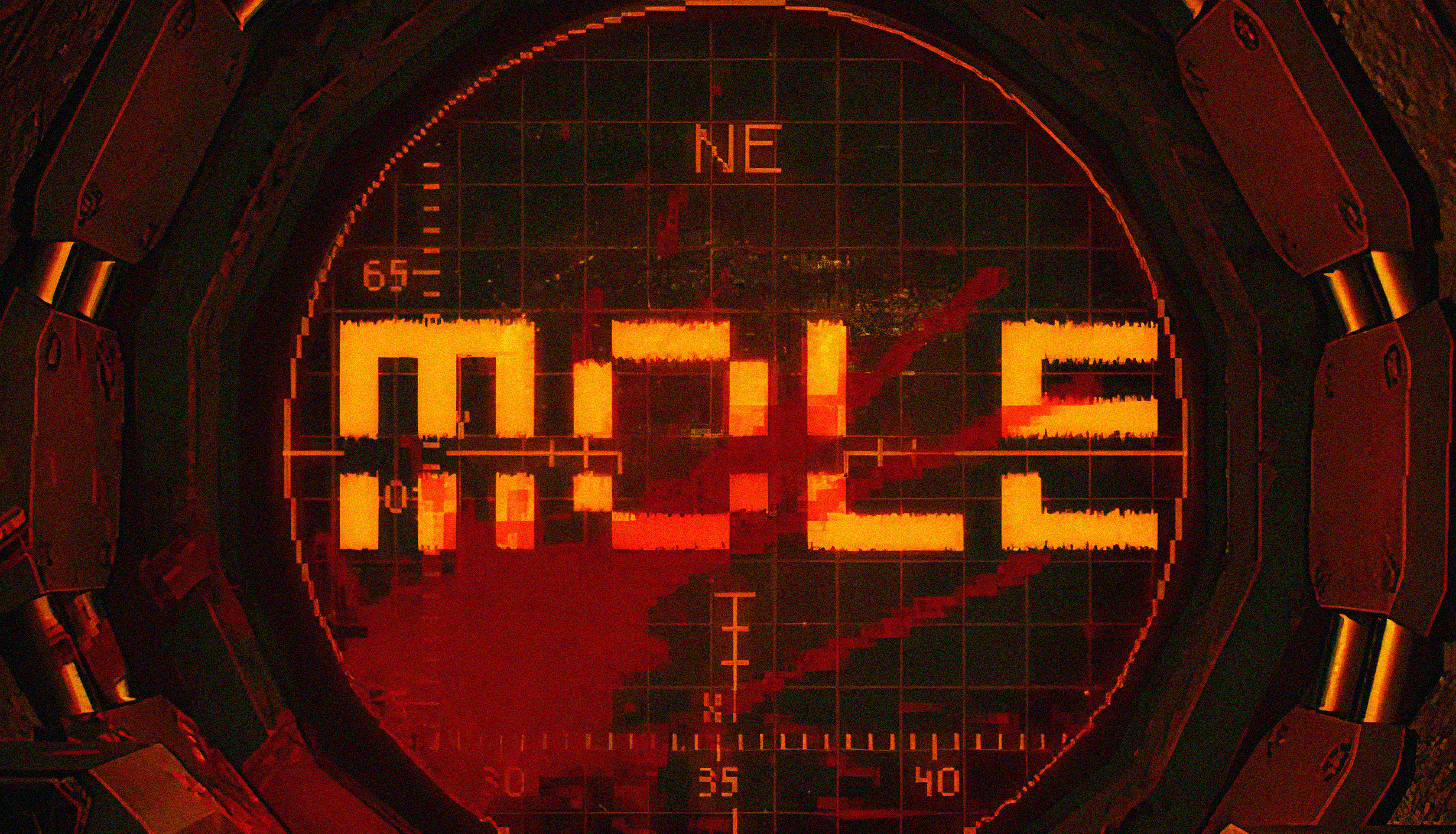
MOLE: Digging Up More Than Dirt
 Gameplay
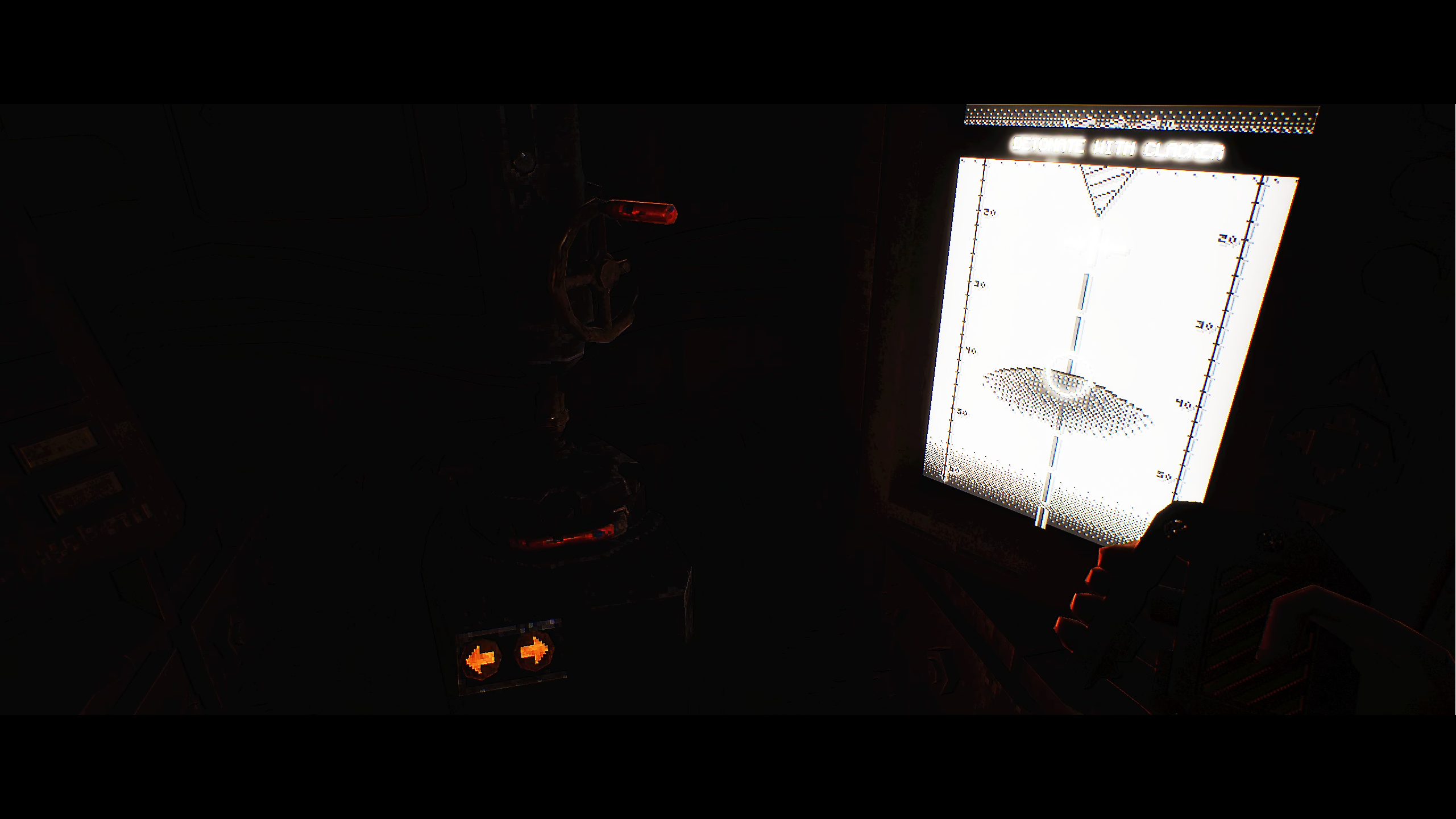
The gameplay revolves around carrying out a variety of practical tasks aboard the drill, and these mechanics is what made the experience so fun, at least for me. Whether you’re repairing an engine, replacing a blown fuse, using a torpedo to blast through a blocked passage, or repeatedly setting a new course, every objective feels realistic to the world and serves a clear purpose. Rather than feeling like chores, these tasks reinforce the setting and help move the narrative forward, making you feel like an active participant instead of simply walking from one cutscene to the next.
The developers also introduce some chase sequences and well timed scare moments throughout the game. While the game is mainly a narrative-driven horror experience, these sections actually work because they arent used often. They are not the focal point like in other horror games, which makes them far more effective imo. After all, horror works best when you least expect it, and Mole understands that perfectly. I know not every horror game needs a monster to be effective, and psychological horror can often be just as unsettling. That being said, the monster in Mole works well because it serves as an instrument for building tension rather than becoming the entire experience.
📕 STORY
MOLE drops you into a digging expedition that has already gone horribly wrong, and from the very beginning it establishes an unsettling atmosphere filled with uncertainty and questions. The story can be surreal and occasionally confusing, but that never felt like a flaw to me. It doesn’t try to overwhelm you with endless twists or cryptic messages; instead, it embraces its surreal nature while keeping the emotional core surprisingly grounded.
It’s hard not to notice traces of games like Mouthwashing and Iron Lung throughout the experience, yet MOLE never feels like a copy. Flashbacks are presented through vivid hallucinations, making it immediately clear that Viktor is an unreliable narrator whose perception of reality has long since fractured. His grief is explored and exposed through events that are surreal but still believable. Conversations and observations from the other members gradually reveal the motivations behind his actions and deteriorating mental state. The story won’t resonate with everyone, especially if you’re looking for a story with clear answers. But these are often the stories that stay with you long after the game ends. MOLE explores the very human struggle of a man who has lost both his son and, in many ways, himself. While it leans on elements and ideas I’ve encountered before, it succeeds because it presents them through its own identity, creating an experience that feels familiar yet unmistakably its own.

🔈 Sound
The sound design is consistently strong throughout the entire experience. It isn’t groundbreaking or particularly innovative in any way, but it doesn’t need to be. Everything feels polished, purposeful, and does exactly what it’s supposed to do: immerse you in the oppressive atmosphere rather than just blasting you with loud noises like other horror games often do. The Russian voice acting gives the game an added sense of authenticity, making the characters and setting feel far more believable. For an indie title, the performances are surprisingly solid, and I’ve certainly experienced far weaker voice acting in games with much larger budgets.
The developers also hit the mark with the sound effects, they are equally well done. Mechanical noises, distant creaks, and strange sounds, all helps sell the feeling that something is wrong, making the atmosphere even more convincing. And i just have to mention, i really loved that little music loop on radio at the beginning, its small details like these that makes a game shine, at least for me.
 Visuals
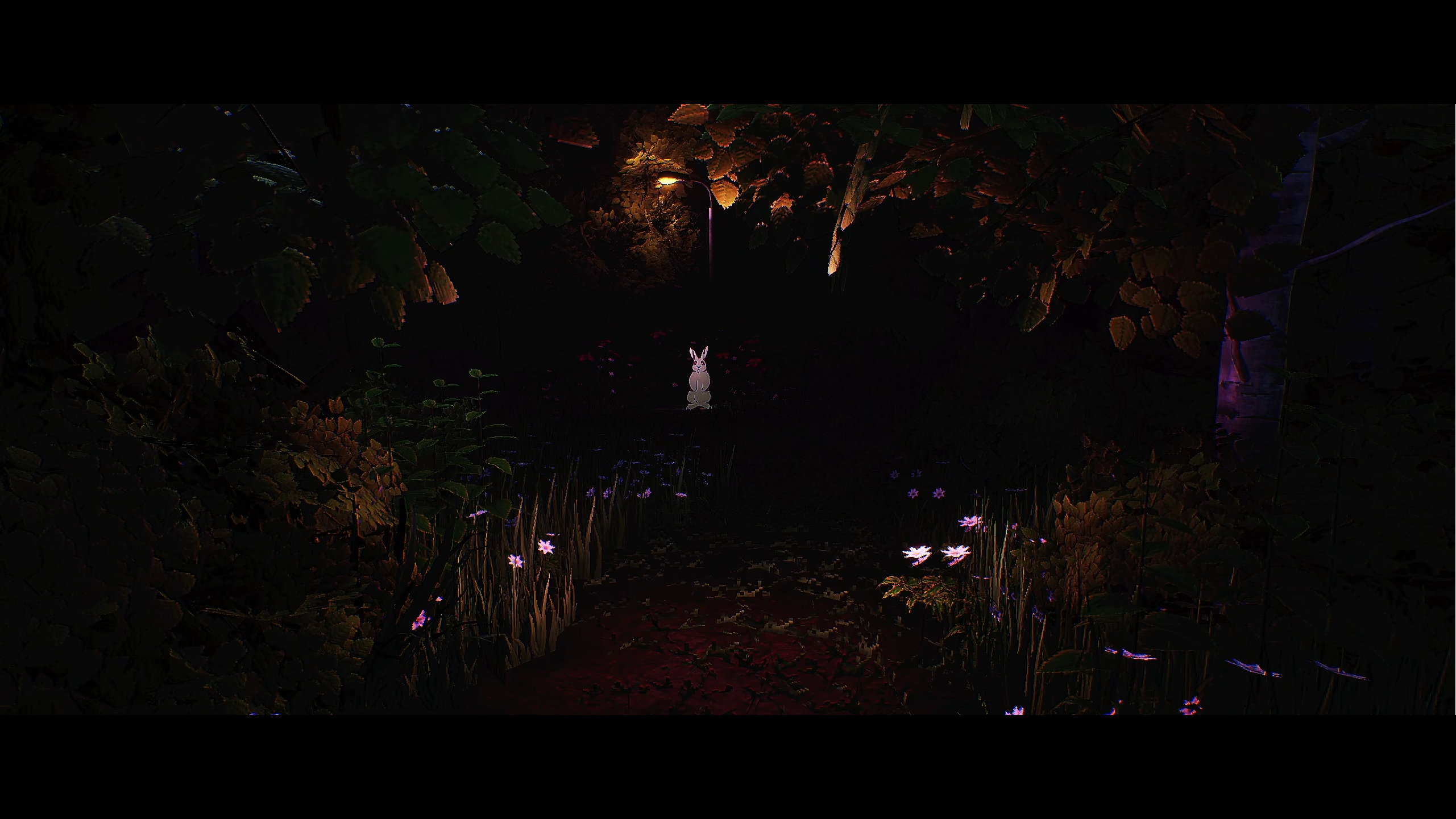
MOLE embraces a distinct retro-futuristic, low-fidelity visual style, and it’s probably the biggest reason it reminded me so much of Mouthwashing. The difference is that I actually think MOLE executes this aesthetic even better. Rather than chasing photorealism or pushing realism, it commits to an art direction that perfectly complements both its world and the story it wants to tell. The visuals won’t blow you away with technical fidelity, but that’s never the goal. Every environment, piece of machinery, and barely lit room feels intentionally crafted to reinforce the oppressive atmosphere. It’s a style that is strangely charming while remaining unsettling at the same time, creating a world that feels both familiar and alien. It reminded me that a clear artistic vision will always matter more than chasing realistic graphics.
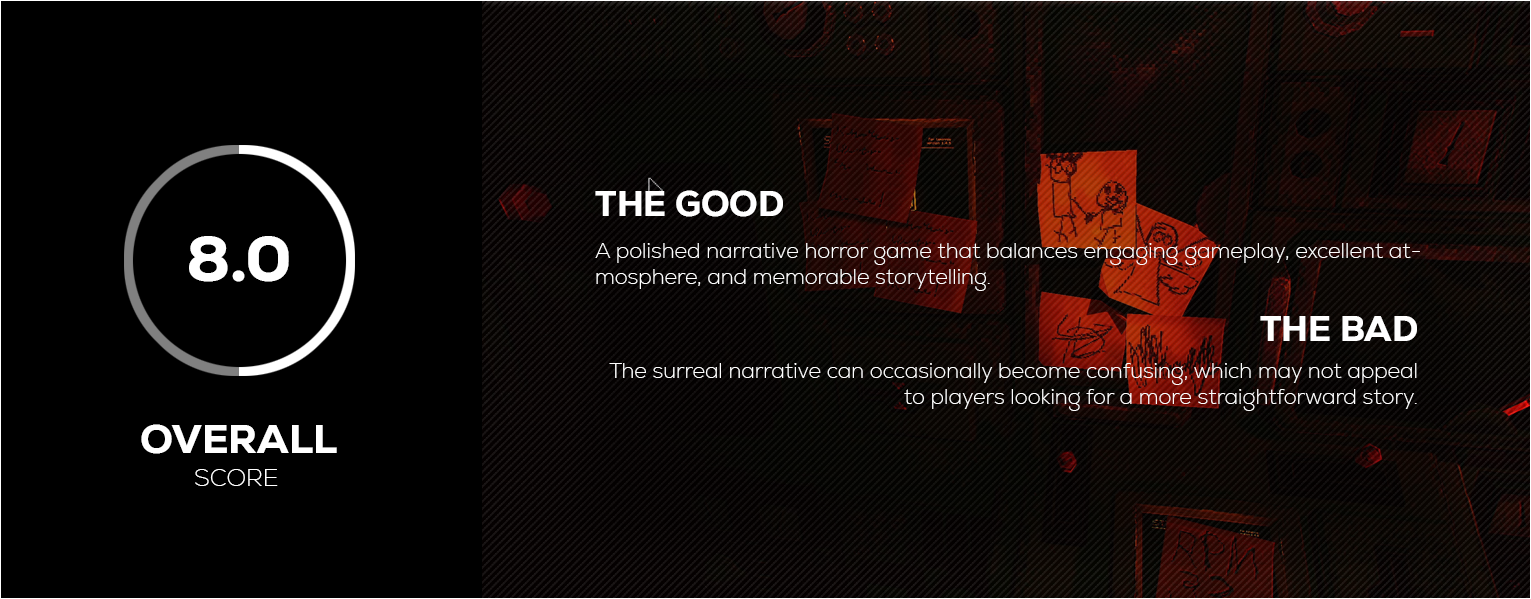
MOLE is one of those games that quietly sneaks up on you. It doesn’t rely on flashy graphics, endless chase sequences, or cheap jump scares to make an impression. Instead, it trusts its atmosphere, its world, and its characters to carry the experience, and for the most part, that trust pays off. The gameplay is engaging and meaningful and tasks feel meaningful rather than repetitive. The games surreal narrative slowly unravels as you play through it exploring the mind of a man struggling with grief and loss. Its distinctive visual identity and excellent sound design also helps it create an experience that feels surprisingly well put together, from beginning to end.
The story won’t be for everyone, and it’s clearly inspired by games that came before it, but MOLE never loses its own identity. Which is a huge selling point, at least for me. It understands that horror doesn’t always have to shout to be effective. Sometimes all it takes is a quiet tunnel, the hum of old machinery, and the feeling that something isn’t quite right. If you’re looking for a narrative-driven horror game that values atmosphere over constant action, MOLE is an easy recommendation.
Enjoyed the review?
For more honest reviews and recommendations,
Follow my Steam Curator
. I’ll waste my time so you don’t waste your money.
